


 English
 한국어
한국어 français
 Deutsch
 русский
 português
 العربية
 tiếng việt
 ไทย
ไทย Polska
 Nederland

Steel Fiber Reinforced Concrete Enhances Strength, Durability, and Performance
Steel fiber reinforced concrete (SFRC) is revolutionizing modern construction by combining traditional concrete with high-strength steel fibers. This integration improves crack resistance, structural integrity, and overall durability.
Whether you are sourcing a reliable steel fiber reinforced concrete supplier or considering steel fiber concrete reinforcement for industrial floors, roads, or precast elements, understanding the properties, benefits, and applications of SFRC is essential.
What is Steel Fiber Reinforced Concrete?
Steel fiber reinforced concrete is a composite material made by integrating steel fibers into conventional concrete. Unlike traditional reinforcement methods, such as rebar, these fibers distribute throughout the concrete matrix, forming a three-dimensional network that enhances tensile strength, ductility, and durability.
Key aspects of steel fiber reinforced concrete include:
Improved structural performance under tension and bending
Enhanced fatigue resistance for industrial and high-traffic applications
Superior crack control, reducing micro-cracking and maintenance costs
SFRC is particularly beneficial in situations where traditional reinforcement is impractical or insufficient.
Key Properties of Steel Fiber Reinforced Concrete
Understanding the properties of steel fiber reinforced concrete helps in selecting the right material for your project:
High Tensile Strength: Steel fibers increase the load-bearing capacity of concrete.
Crack Resistance: Fibers control micro-cracks and prevent propagation.
Durability: SFRC withstands freeze-thaw cycles, chemical exposure, and abrasion.
Flexural Strength: Improved bending resistance reduces the need for additional reinforcement.
Energy Absorption: Fibers increase toughness and impact resistance.
These properties make SFRC ideal for industrial flooring, tunnels, bridges, and high-stress applications.
Advantages of Steel Fiber Reinforced Concrete
Incorporating steel fibers into concrete offers several construction advantages:
Reduced Cracking: Minimizes surface and internal cracks.
Faster Construction: Less reliance on labor-intensive rebar placement.
Uniform Reinforcement: Fibers distribute stress evenly across the concrete volume.
Improved Durability: Resistant to mechanical wear, impact, and harsh environmental conditions.
Versatility: Suitable for precast elements, industrial slabs, pavements, and structural components.
By leveraging these benefits, contractors can achieve long-lasting, high-performance concrete structures.
Applications of Steel Fiber Reinforced Concrete
SFRC is widely used in various construction scenarios:
Industrial Floors: Warehouses, factories, loading docks, and airport runways.
Roads and Pavements: Enhances durability and reduces maintenance costs.
Bridges and Tunnels: Offers improved crack control and structural resilience.

Precast Concrete Elements: Beams, panels, and slabs for faster construction.
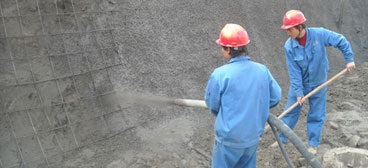
Shotcrete Applications: Tunnel lining and slope stabilization where conventional reinforcement is challenging.
How to Choose the Right Steel Fiber Reinforced Concrete
Selecting the right SFRC involves evaluating:
Fiber Type and Size: Hooked-end, crimped, or straight fibers depending on structural needs.
Fiber Dosage: Proper fiber volume is crucial for optimal performance.
Concrete Mix Compatibility: Ensure fibers integrate well without compromising workability.
Supplier Reliability: Choose a trusted steel fiber reinforced concrete supplier with consistent quality and technical support.
Project Requirements: Match SFRC properties to specific load, durability, and environmental needs.
Choosing a Steel Fiber Reinforced Concrete Supplier
A reliable steel fiber reinforced concrete supplier ensures consistent material quality and technical support:
Quality Control: High-strength steel fibers with uniform shape and size.
Production Capacity: Ability to supply large-scale construction projects.
Customization: Fiber types, lengths, and dosages tailored to project specifications.
Technical Guidance: Recommendations for mix design, dosage, and placement.
Compliance: Adherence to construction standards and certifications.
Selecting a trusted supplier reduces risks and ensures project success.
FAQs
Q1: Is steel fiber better than rebar?
Steel fiber complements or can partially replace rebar. While rebar provides linear reinforcement, steel fibers create 3D crack control and uniform stress distribution, enhancing durability.
Q2: How do steel fibers work in concrete?
Steel fibers form a 3D reinforcement network that bridges micro-cracks, reduces crack propagation, and distributes stress evenly, improving tensile and flexural strength.
Q3: What is the main advantage of steel fiber reinforced concrete?
The primary advantage is enhanced crack resistance and durability, reducing maintenance costs while improving structural performance and lifespan.
Conclusion
Steel fiber reinforced concrete (SFRC) is a game-changer for modern construction, offering superior crack resistance, durability, and flexibility compared to traditional concrete. From industrial floors and pavements to tunnels and precast elements, SFRC enhances performance while reducing labor and maintenance costs.
By understanding the key properties, applications, and advantages of SFRC and sourcing from a reputable steel fiber reinforced concrete supplier, contractors and engineers can deliver stronger, longer-lasting, and more resilient concrete structures.