


 English
 한국어
한국어 français
 Deutsch
 русский
 português
 العربية
 tiếng việt
 ไทย
ไทย Polska
 Nederland

Understanding Fibers Used in Concrete: Types and Selection Guide
Fiber-reinforced concrete has become a cornerstone of modern construction, offering enhanced durability, crack resistance, and structural performance. By incorporating different types of fibers, engineers can create concrete that withstands heavy loads, harsh environments, and long-term wear. This article explores the fibers used in concrete, their types, benefits, and how they work, while also providing guidance for selecting reliable concrete fiber suppliers and manufacturers.
What Is Fiber Concrete?
Fiber concrete, also called fiber-reinforced concrete (FRC), is concrete that contains small, discrete fibers distributed throughout the mixture. These fibers can be synthetic, metallic, or natural, and they serve to improve mechanical properties like toughness, impact resistance, and crack control.
Key points:
Fibers are evenly dispersed in the concrete mix
Reduce cracking caused by shrinkage and load stress
Can be used in industrial flooring, pavements, tunnel linings, and precast elements
Types of Fibers in Concrete
Synthetic Fibers
Polypropylene Fibers: Reduce plastic shrinkage cracks and improve impact resistance
Nylon Fibers: Provide high durability in harsh conditions
Polyethylene Fibers: Lightweight fibers that improve flexural strength
Metallic Fibers
Steel Fibers: Enhance tensile strength, crack control, and durability
Ideal for industrial slabs, airport runways, and heavy-duty applications
Natural Fibers
Coir (coconut husk), jute, bamboo, sisal: Eco-friendly fibers used for moderate-strength concrete applications
Reduce environmental impact while providing crack resistance
What Does Fiber Do in Concrete?
Fibers used in concrete improve concrete performance in several ways:
Crack Control: Fibers prevent microcracks from becoming large cracks
Increased Toughness: Fibers allow concrete to absorb more energy before failure
Improved Durability: Fibers enhance resistance to abrasion, impact, and fatigue
Workability Adjustment: Certain fibers improve plasticity during placement
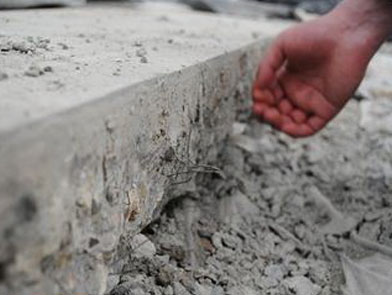
How Fibers Are Added to Concrete
Fibers are usually mixed directly into the concrete at the batching plant or on-site
Dosage depends on fiber type, concrete application, and environmental conditions
Uniform distribution is essential to maximize performance
Choosing the Right Concrete Fiber Supplier
Quality Assurance: Look for suppliers offering standardized, tested fibers
Product Range: Ensure availability of synthetic, metallic, and natural fibers
Technical Support: Reputable suppliers provide guidance on dosage, application, and performance
Sustainability: Check if the supplier offers eco-friendly or recycled fiber solutions
FAQs
Q1: How is fiber added to concrete?
A1: Fibers are blended into the wet concrete mixture using standard mixing techniques, ensuring even distribution. Some high-performance fibers require specialized mixing equipment to prevent clumping.
Q2: How Fiber Concrete Works?
A2: Fibers act as micro-reinforcement within the concrete matrix. They bridge cracks, distribute loads, and enhance overall toughness, allowing the concrete to resist mechanical stress more effectively.
Q3: Why are fibers used in concrete?
A3: Fibers are used to reduce cracking, improve strength and durability, enhance impact resistance, and extend the service life of concrete structures.
Conclusion
Fibers used in concrete transform ordinary concrete into a high-performance material capable of withstanding modern construction challenges. From crack resistance to enhanced durability, fiber-reinforced concrete provides an effective, versatile, and sustainable solution for a wide range of applications.
Partnering with reliable concrete fiber suppliers and manufacturers ensures that you get consistent quality and performance, making your projects safer, longer-lasting, and cost-efficient.